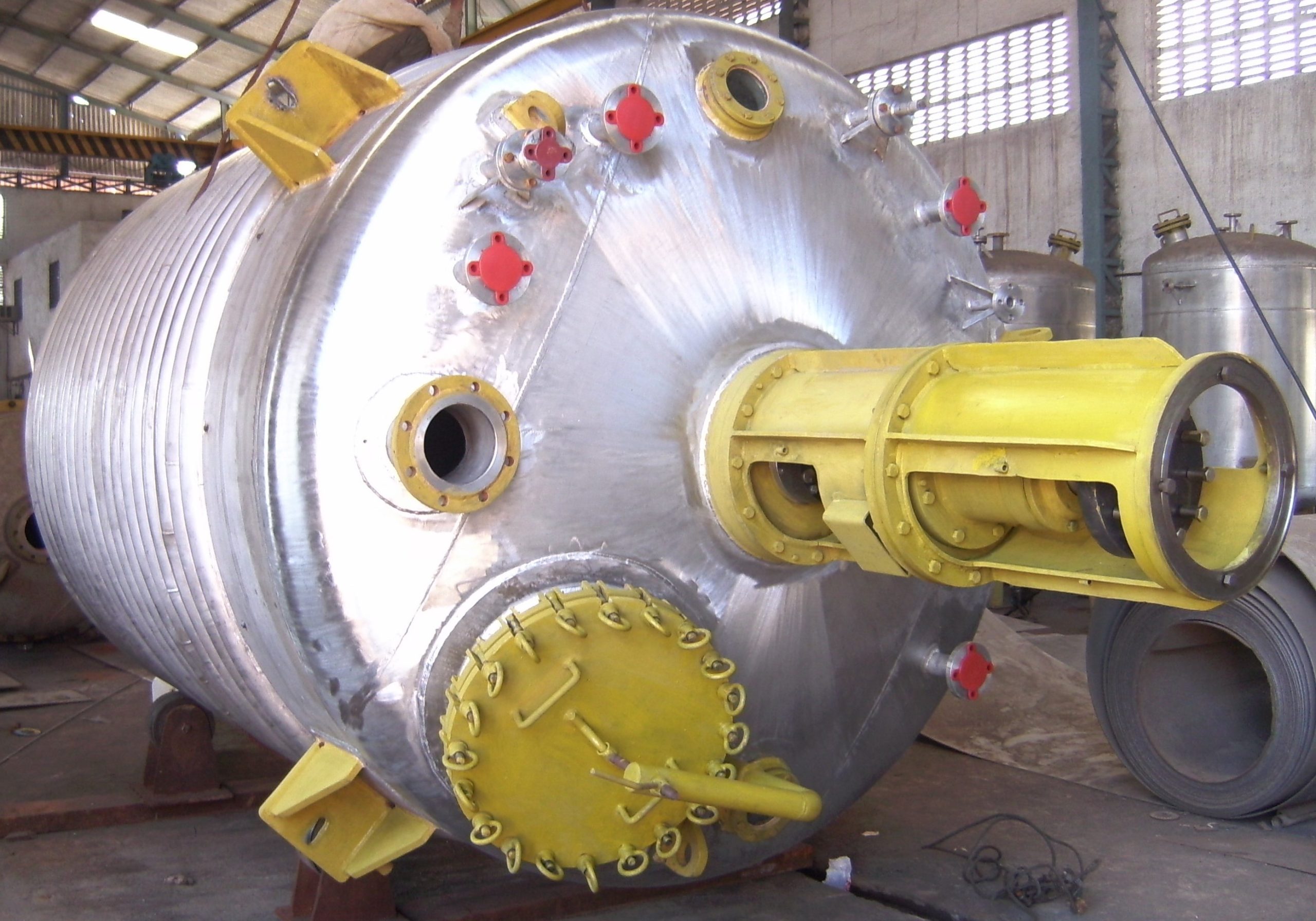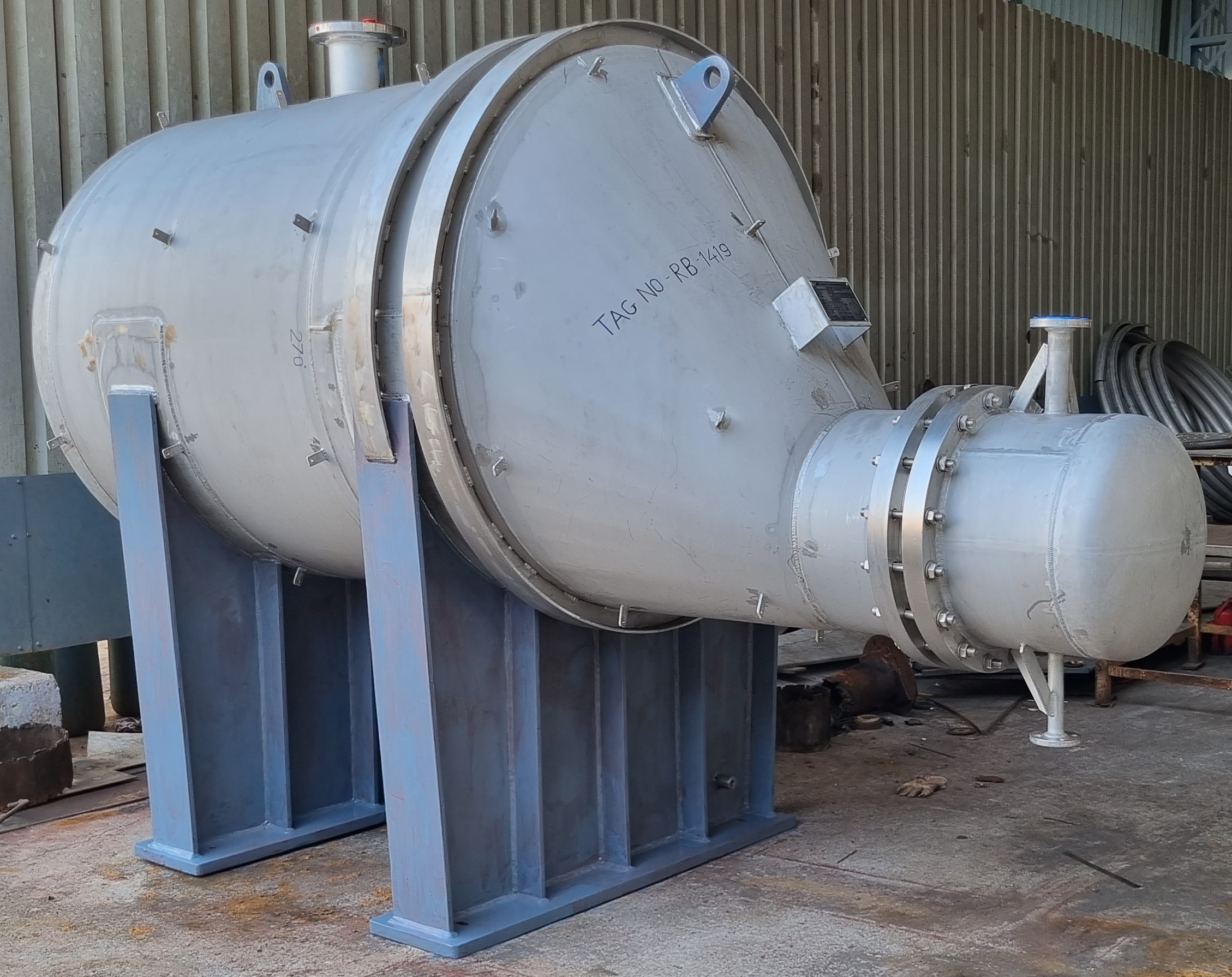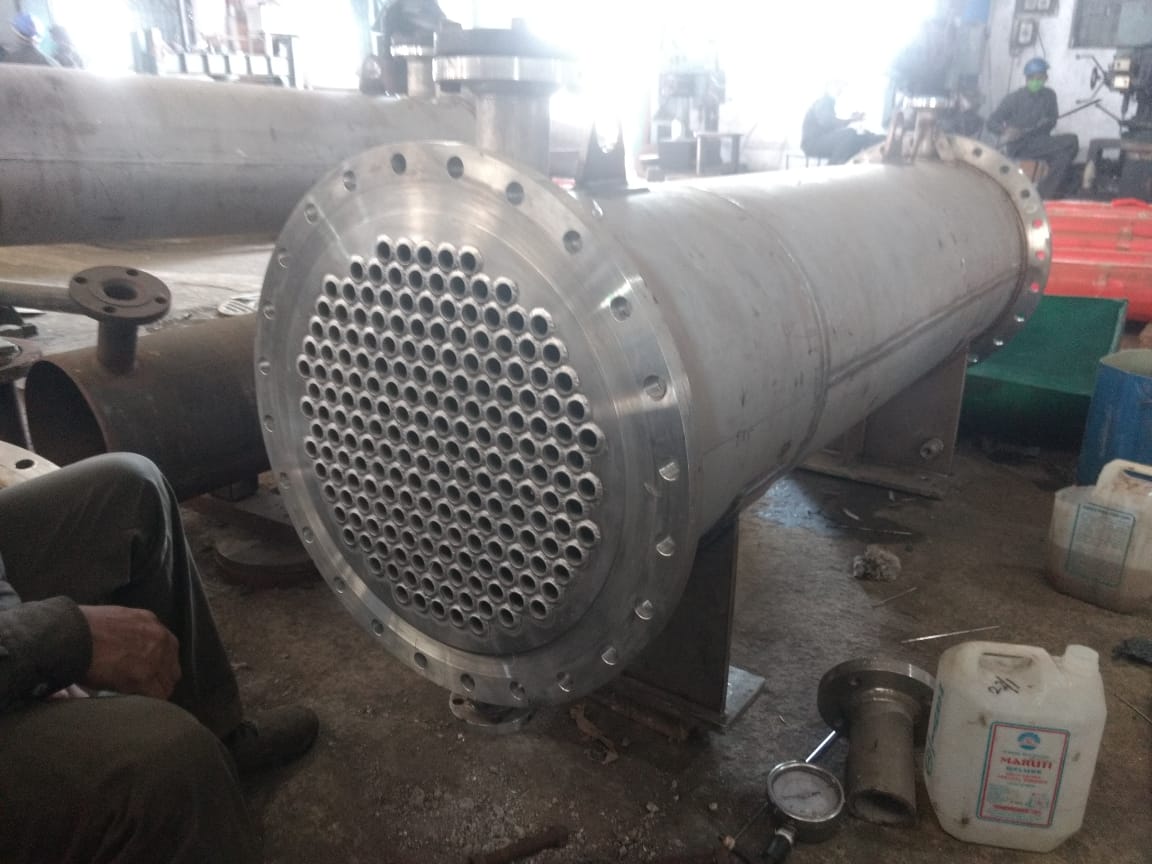


Distillation is one of the oldest and most reliable separation processes in the world—and it continues to be a core operation in chemical plants, refineries, and pharmaceutical facilities today. As demand increases across these sectors, distillation column manufacturers in India are developing more advanced, high-performance systems that enhance purity, reduce energy consumption, and improve overall plant efficiency.
How Distillation Columns Enable Key Industries
In the chemical industry, distillation is used for everything from solvent purification to separating monomers and intermediates. Whether a plant is producing fine chemicals or large-scale petrochemicals, success depends on precise temperature control, efficient trays or packing, and robust column design. Manufacturers build a wide range of equipment—including tray columns, packed columns, vacuum distillation units, and fractionation columns—depending on the complexity and sensitivity of the mixtures being processed.
The oil and gas sector relies on some of the largest and most demanding distillation systems. Refineries use atmospheric and vacuum distillation columns to separate crude oil into fractions like LPG, naphtha, kerosene, diesel, and heavy oils. Because these units operate under extreme temperatures and corrosive conditions, manufacturers must deliver columns with exceptional structural integrity, precise fabrication quality, and continuous‐operation reliability.
In pharmaceutical manufacturing, distillation focuses on purity and compliance. It supports solvent recovery, API purification, alcohol production, and moisture removal. Equipment in this sector must be designed for hygienic operation and meet stringent cGMP, FDA, and international standards to ensure product safety and prevent contamination.
Why High-Quality Column Manufacturing Matters
Leading distillation column manufacturers in India prioritize engineering accuracy, material selection, and rigorous quality testing. Stainless steels, duplex grades, and exotic alloys are commonly used to handle corrosive chemicals and elevated temperatures. Ensuring the right trays or structured packing, performing precise welds, and conducting NDT inspections are all essential steps in delivering a reliable system. Compliance with ASME and other global standards further ensures long-term performance and operational safety.
Conclusion
Distillation remains fundamental across chemical, pharma, and oil & gas operations. With advancements in design and fabrication, Indian distillation column manufacturers are supplying world-class systems that boost plant efficiency, improve product consistency, and reduce operational costs. As industries continue to expand, the demand for robust, high-quality distillation technology will only grow—making India a key hub for process equipment innovation.