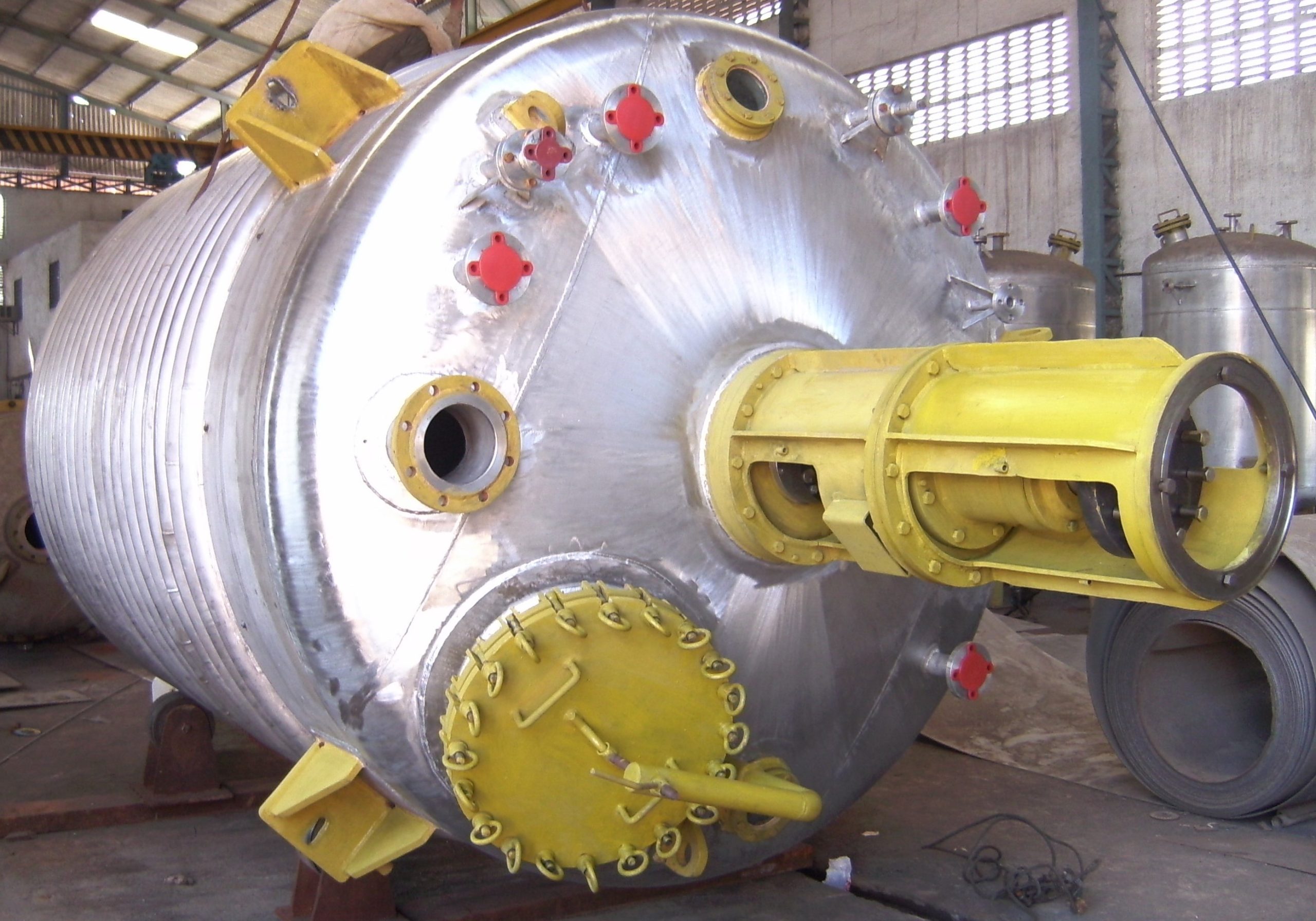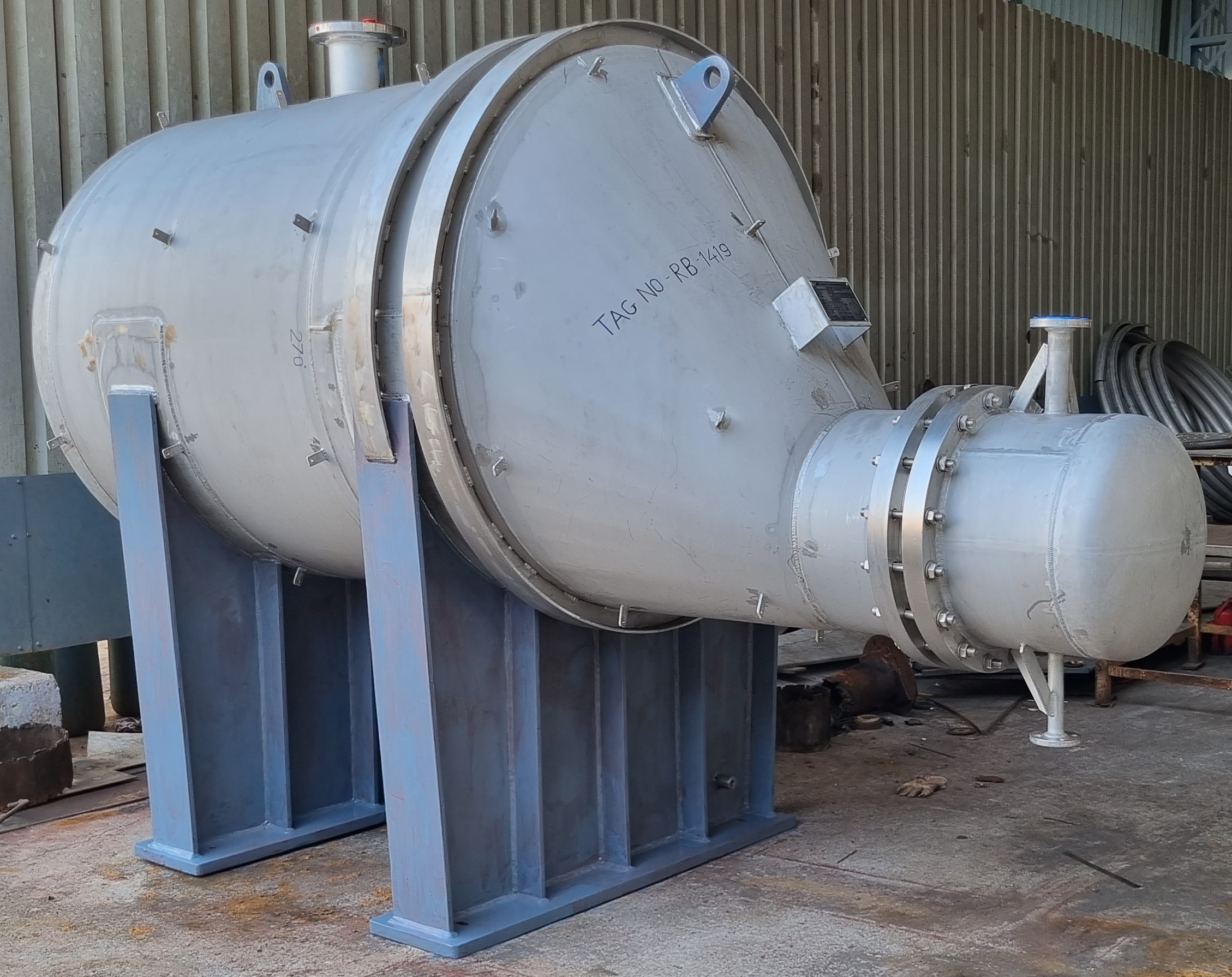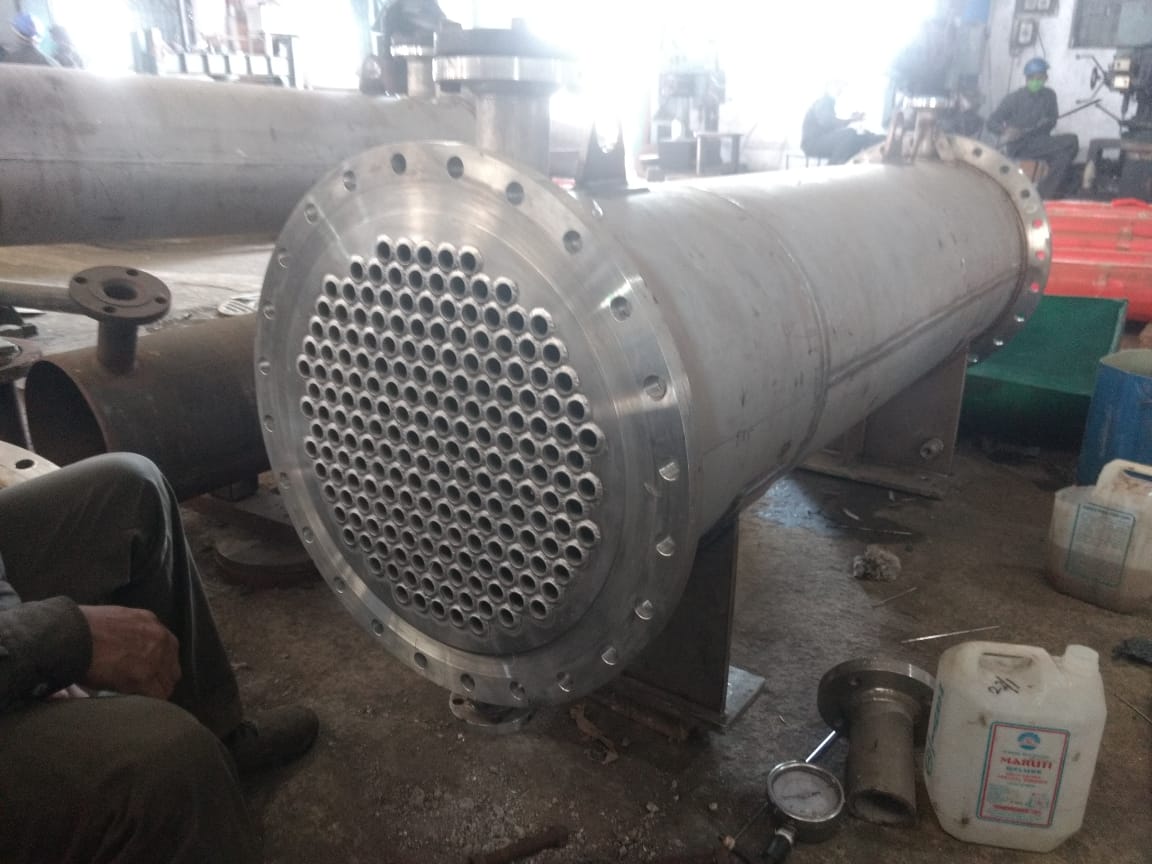


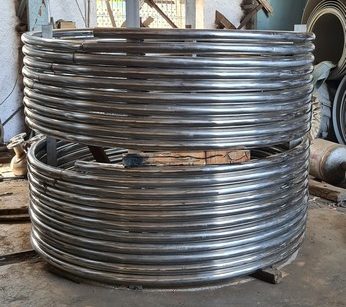
In process industries, the performance of a reactor depends as much on material selection as it does on design and fabrication quality. For an experienced SS reactor manufacturer in India, choosing the right grade of stainless steel is critical not only for equipment longevity, but also for maintaining consistent product quality.
Different chemical reactions expose reactors to varying temperatures, pressures, and corrosive environments. Selecting an unsuitable stainless steel grade can lead to corrosion, contamination, frequent maintenance, and even product rejection. This is why stainless steel grade selection must always be aligned with process chemistry and operating conditions.
Why Stainless Steel Grade Selection Matters in Reactors
Industrial reactors operate under demanding conditions such as:
- High temperatures and pressures
- Aggressive chemicals and solvents
- Thermal cycling during batch operations
- Repeated cleaning, passivation, and inspection
The stainless steel grade determines how the reactor responds to these conditions over its service life. From corrosion resistance to surface finish and weld integrity, material selection directly affects process reliability and product purity.
Common Stainless Steel Grades Used in Industrial Reactors
SS 304 – Suitable for Mild Chemical Applications
SS 304 is commonly used in reactors handling:
- Neutral or mildly reactive chemicals
- Low chloride environments
- Moderate operating temperatures
Advantages:
- Good general corrosion resistance
- Easy fabrication and welding
- Economical for non-critical applications
Limitations:
- Limited resistance to chlorides and strong acids
- Not recommended for aggressive chemical reactions
SS 316 – Improved Corrosion Resistance for Chemical Processing
SS 316 is one of the most widely used grades in industrial reactors due to the addition of molybdenum.
Typical applications:
- Chemical and specialty chemical reactors
- Pharmaceutical intermediates
- Fine chemical processing
Key benefits:
- Enhanced resistance to acids and chlorides
- Lower risk of corrosion-related contamination
- Longer service life compared to SS 304
For many chemical processes, SS 316 offers a reliable balance between performance and cost.
SS 316L – Preferred Grade for High-Purity and GMP Processes
SS 316L is the low-carbon variant of SS 316 and is widely used in:
- Pharmaceutical reactors
- Biotech and fine chemical industries
- GMP-compliant manufacturing facilities
Why SS 316L is critical:
- Reduced carbon content minimizes weld-related corrosion
- Superior surface integrity after fabrication
- Easier cleaning, passivation, and sterilization
From a product quality standpoint, SS 316L significantly reduces the risk of metal ion leaching, making it the preferred choice for high-purity applications.
Duplex Stainless Steel – For High-Stress and Chloride-Rich Environments
Duplex stainless steels are selected when standard austenitic grades may not be sufficient.
Used in reactors where:
- Chloride concentration is high
- Stress corrosion cracking is a concern
- Higher mechanical strength is required
Advantages:
- Higher strength than conventional stainless steels
- Excellent resistance to stress corrosion cracking
- Suitable for high-pressure reactor applications
Experienced SS reactor manufacturers in India evaluate duplex grades carefully, as fabrication and welding require strict process control.
Special Alloys for Extreme Process Conditions
In highly corrosive or high-temperature applications, stainless steel alone may not provide adequate protection. In such cases, special alloys like Hastelloy or Inconel are used to ensure process safety and product integrity.
These materials are selected only when process conditions justify their use.
How Stainless Steel Grade Impacts Product Quality
The choice of stainless steel grade directly influences:
| Aspect | Impact on Product Quality |
| Corrosion resistance | Prevents metal contamination |
| Surface finish | Reduces residue buildup |
| Weld integrity | Avoids localized corrosion |
| Cleanability | Ensures batch consistency |
A knowledgeable SS reactor manufacturer in India evaluates all these factors before finalizing material specifications.
Material Selection Is a Long-Term Process Decision
Choosing a lower-grade material to reduce upfront cost often leads to:
- Increased maintenance and downtime
- Higher risk of product contamination
- Reduced equipment lifespan
Selecting the correct stainless steel grade ensures stable operations, regulatory compliance, and consistent product quality over the reactor’s entire life cycle.
Conclusion
Different grades of stainless steel perform very differently in reactor applications. From SS 304 for mild processes to SS 316L for high-purity pharmaceutical manufacturing, material selection plays a critical role in determining reactor performance and product quality.
As an experienced SS reactor manufacturer in India, Aerolite Engineers focuses on aligning material selection with process requirements, ensuring reliable, safe, and high-quality reactor solutions for a wide range of industries.