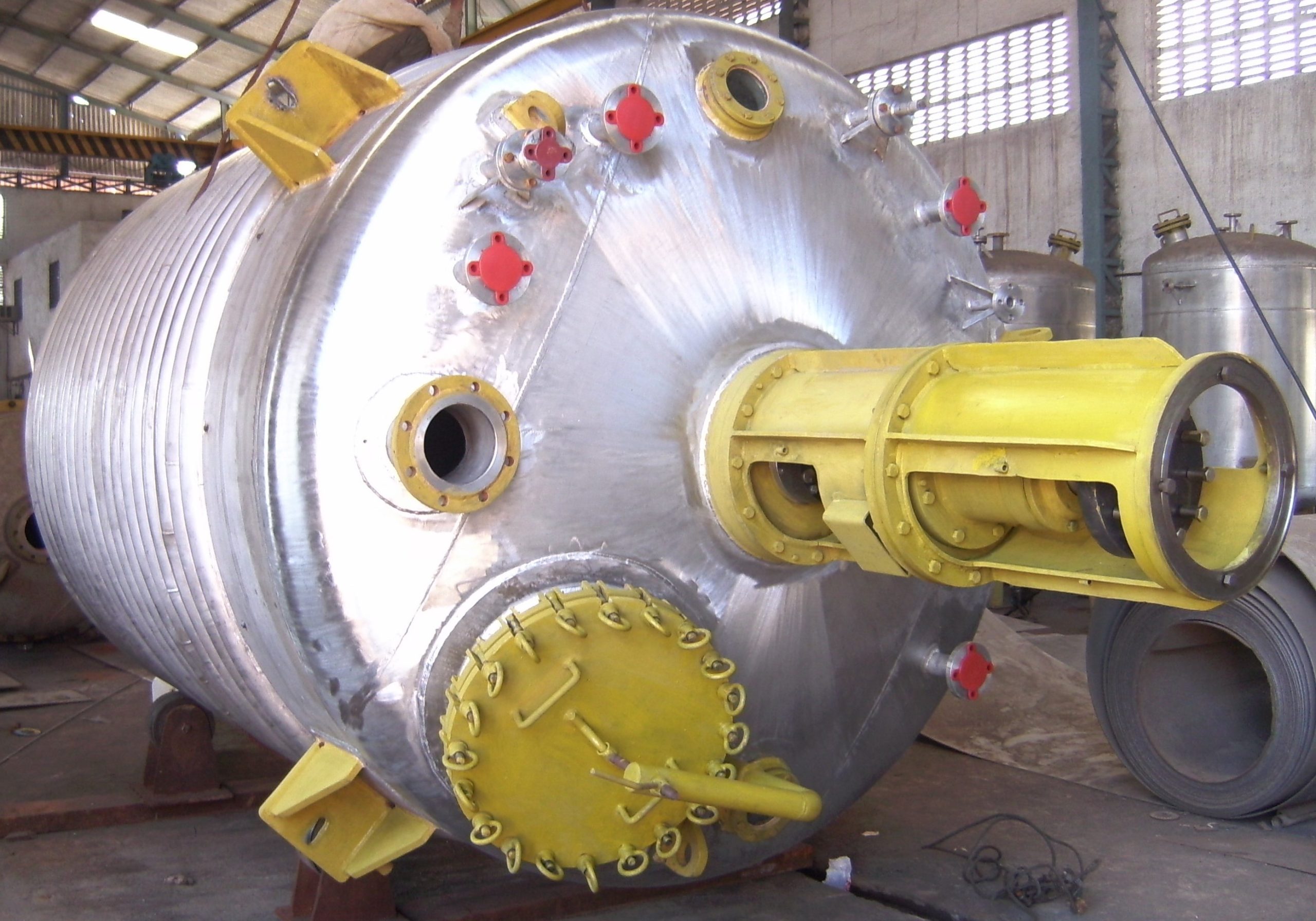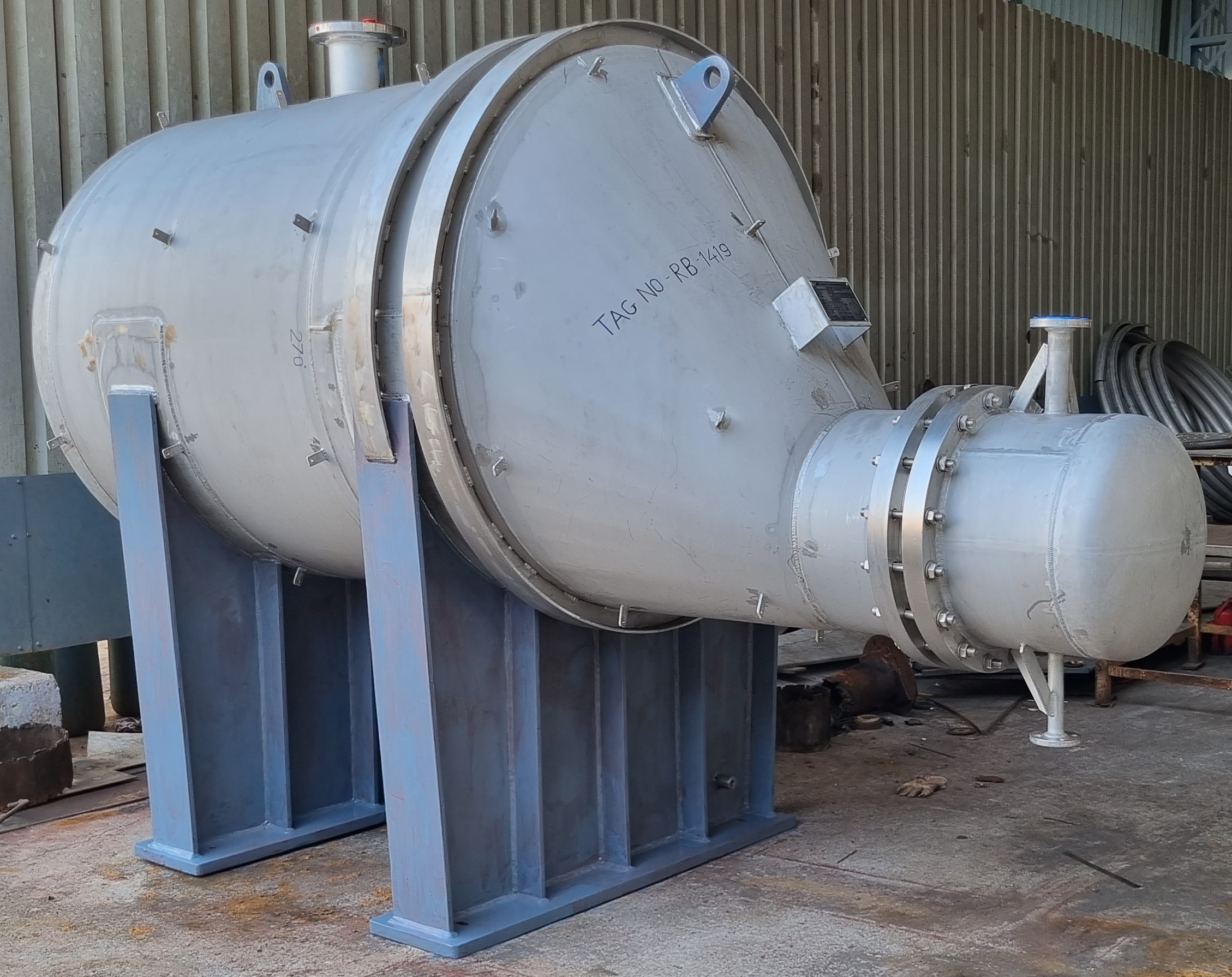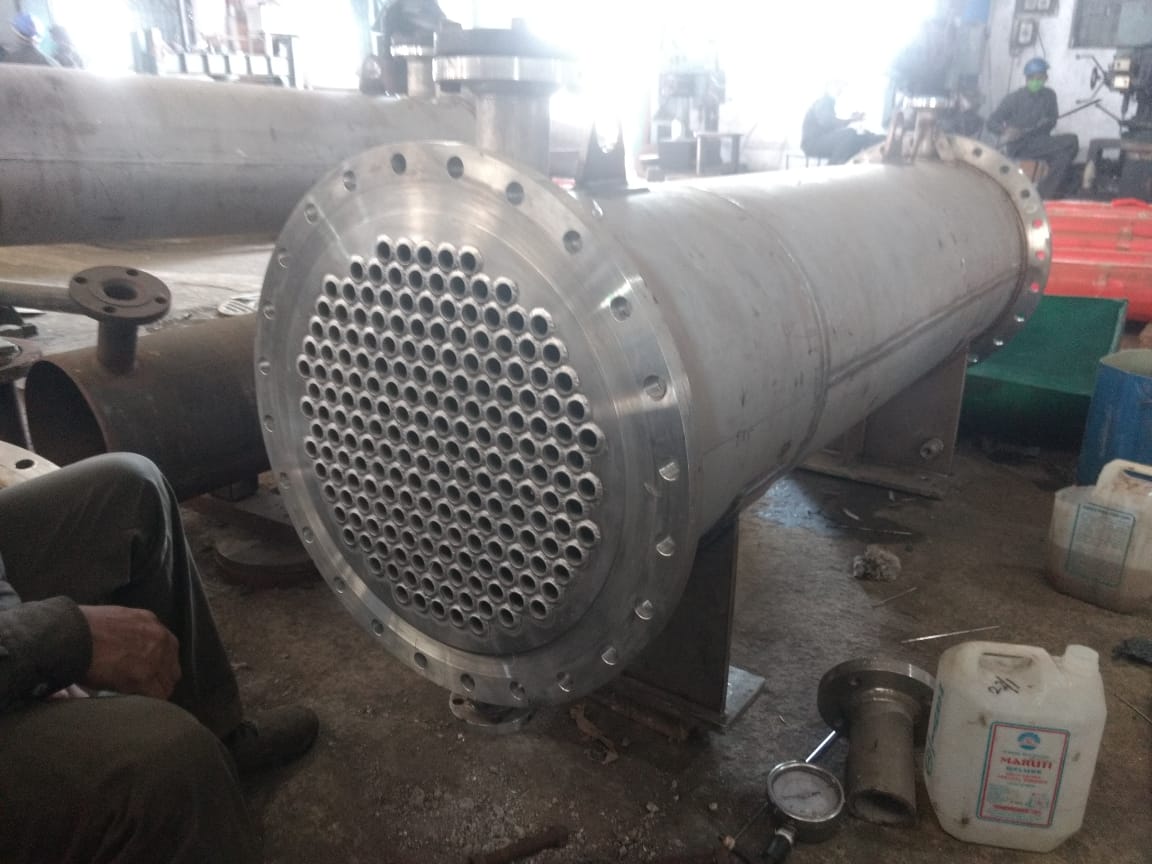


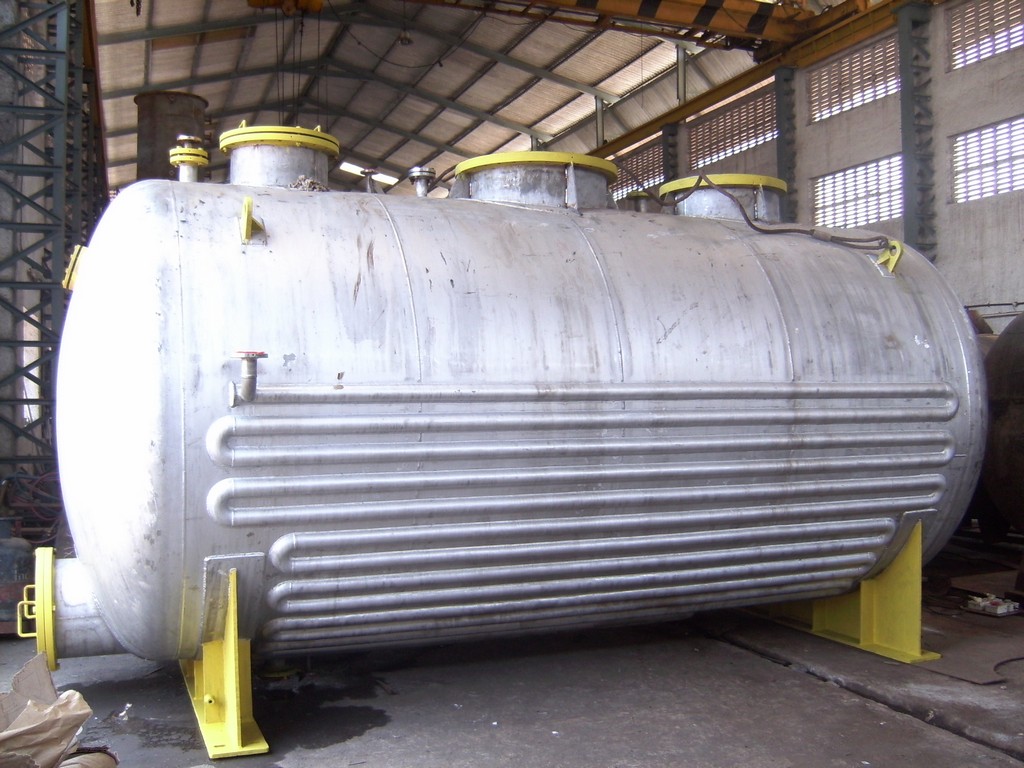
Sustainability is no longer limited to consumer-facing industries. Today, chemical storage tanks manufacturers in India are under growing pressure from regulators, global clients, and internal ESG goals to reduce environmental impact while maintaining safety and reliability.
Chemical storage tanks are long-life assets used to store hazardous and non-hazardous chemicals. How they are designed and manufactured directly affects energy consumption, material waste, and environmental risk over decades of operation. As a result, green manufacturing practices are increasingly becoming part of mainstream industrial fabrication in India.
Why Green Manufacturing Matters in Chemical Storage Tank Production
The manufacturing of chemical storage tanks typically involves:
- Large quantities of metal
- Energy-intensive cutting and welding
- Surface treatment processes
- Hydrotesting and inspection
Without careful planning, these activities can generate significant waste and emissions. Green manufacturing focuses on reducing this impact without compromising structural integrity or safety, which is critical in chemical storage applications.
Key Sustainability Practices Adopted by Indian Manufacturers
Optimized Material Selection
Leading chemical storage tanks manufacturers in India now focus on:
- Selecting corrosion-resistant materials suited to the exact chemical stored
- Avoiding overdesign while maintaining safety margins
- Using stainless steel grades and coatings that extend service life
Longer-lasting tanks reduce the need for replacement and lower lifecycle environmental impact.
Energy-Efficient Fabrication Techniques
Modern fabrication facilities increasingly rely on:
- CNC plasma or laser cutting to minimize scrap
- Automated and semi-automated welding for consistency
- Controlled welding sequences to reduce rework
These methods reduce electricity consumption per tank and improve overall fabrication efficiency.
Responsible Waste Management
Green manufacturing extends beyond fabrication:
- Steel scrap is segregated and recycled
- Water used in hydrotesting is reused wherever possible
- Grinding dust and weld waste are collected and disposed of responsibly
Even small process improvements add up at scale.
Safer Surface Treatment Processes
Traditional chemical pickling and cleaning methods are being gradually replaced with:
- Mechanical polishing
- Controlled passivation techniques
- Low-emission coatings
This reduces worker exposure to hazardous chemicals and minimizes environmental discharge.
Design for Leak Prevention
Sustainability also includes operational safety:
- Proper nozzle reinforcement
- Stress-analyzed supports
- Secondary containment considerations
Preventing leaks protects soil, groundwater, and surrounding infrastructure.
Regulatory and Client-Driven Change
Stricter norms from pollution control authorities, combined with expectations from global EPC contractors, have accelerated this shift. Manufacturers that invest in green practices are now better positioned to serve export markets and large industrial clients.
Conclusion
Green manufacturing is steadily becoming standard practice among chemical storage tanks manufacturers in India. By focusing on material optimization, energy efficiency, waste reduction, and safer design, manufacturers are reducing environmental impact while delivering reliable, long-life equipment for chemical industries.