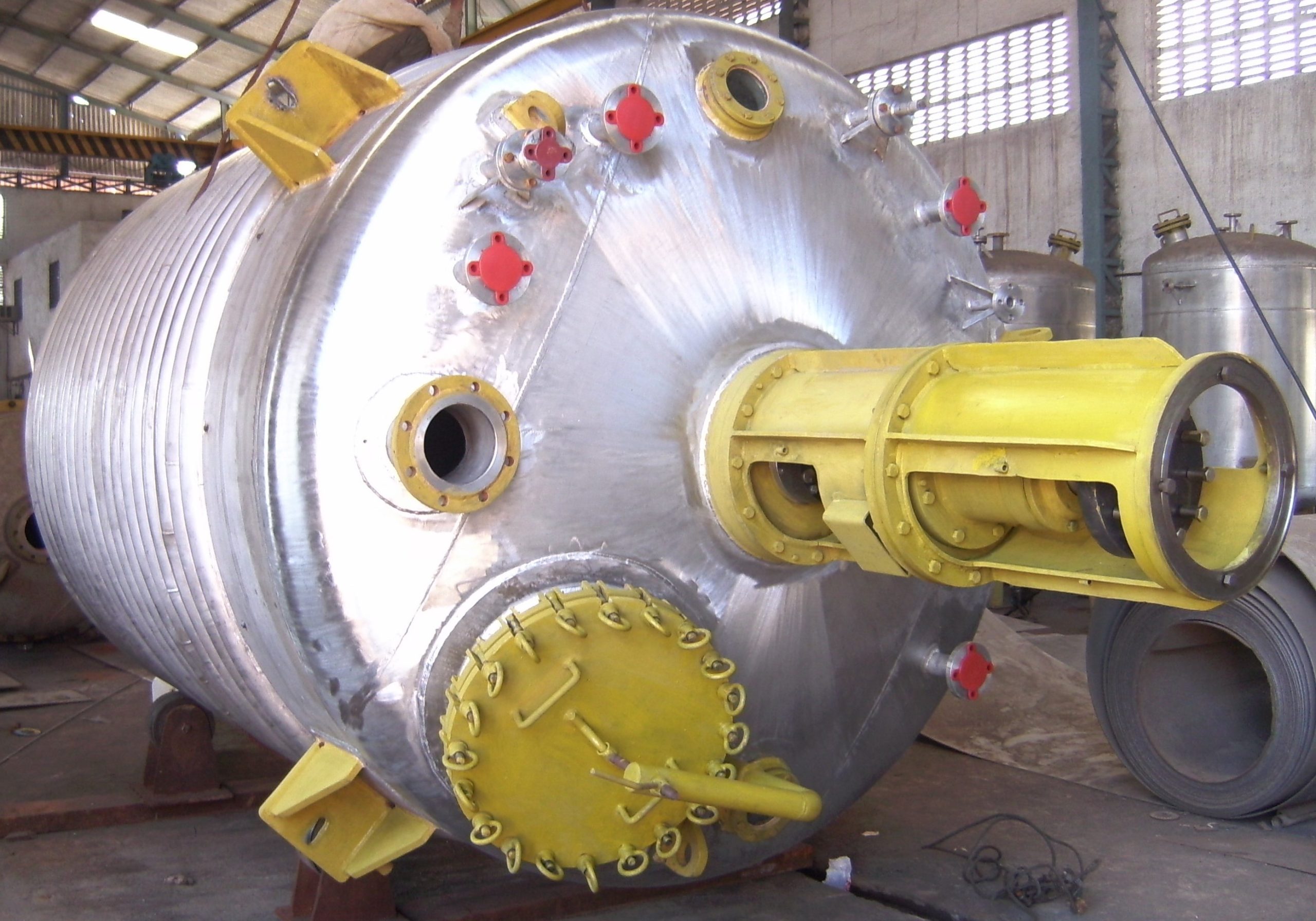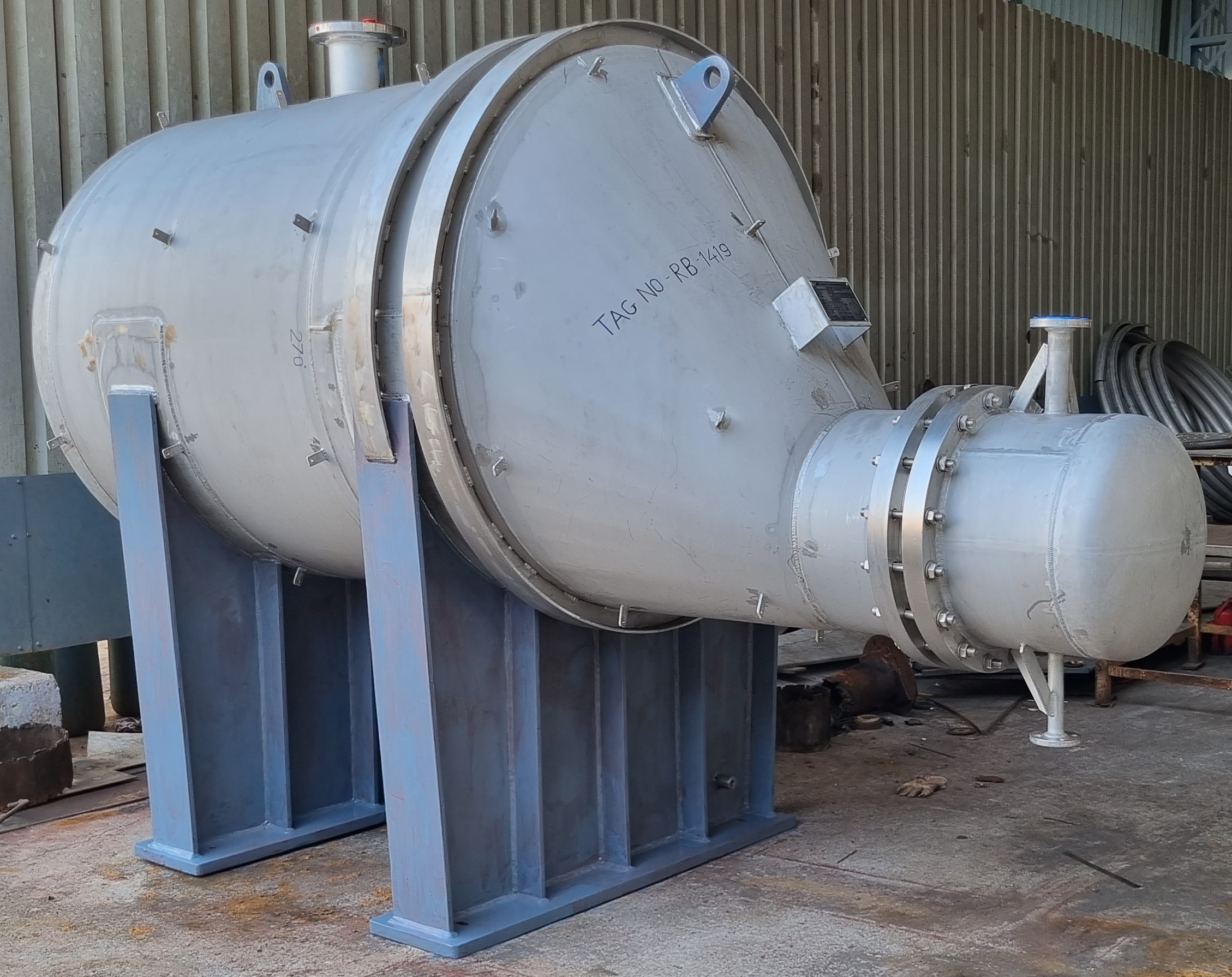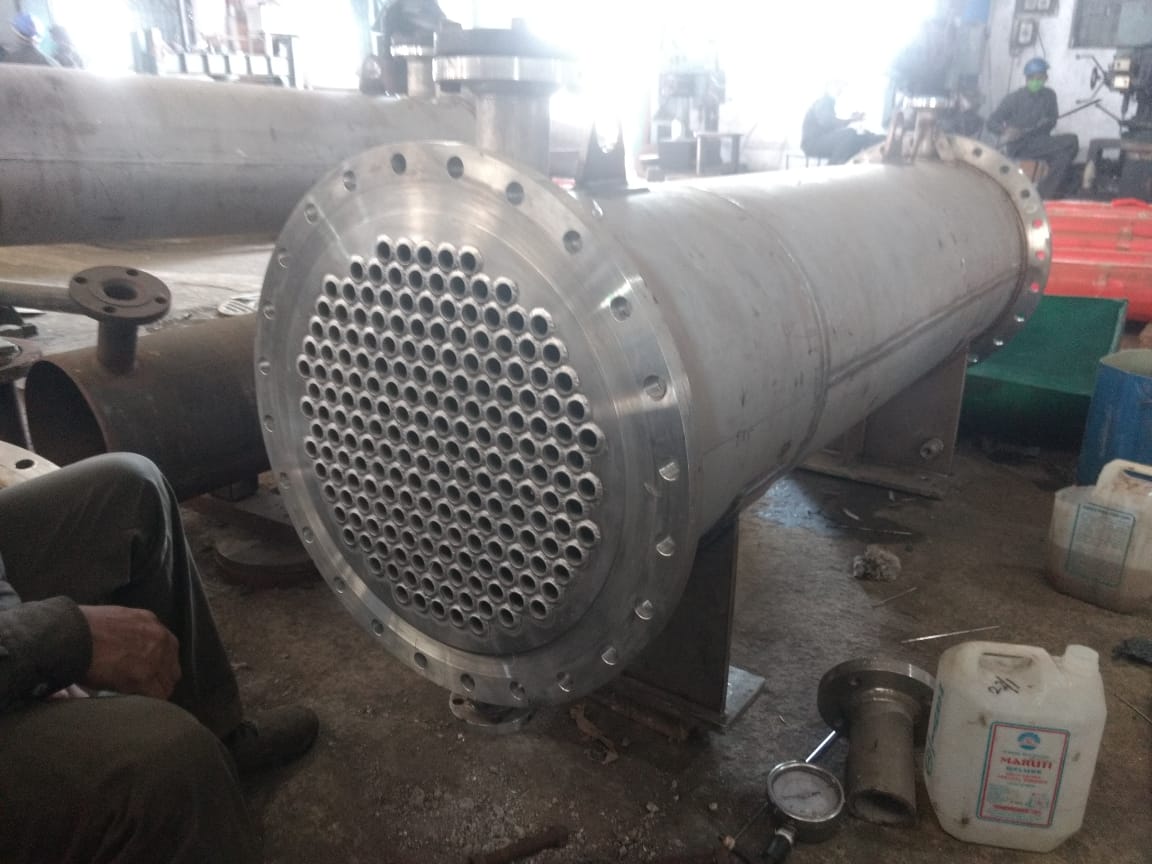


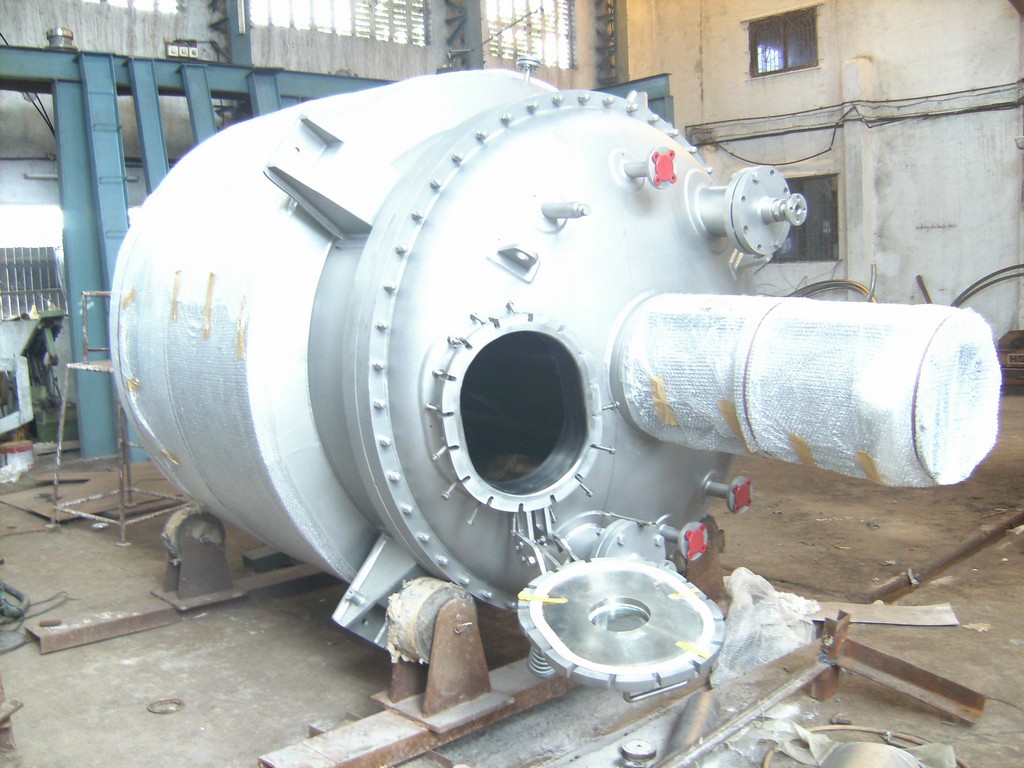
In chemical and process industries, reactors are among the most critical pieces of equipment. A well-designed reactor directly influences product quality, plant safety, and operational efficiency. Leading reactor manufacturers in India recognize that reactor design is not just about fabrication—it is a multidisciplinary engineering exercise that balances process requirements, mechanical strength, and long-term reliability.
Industries such as chemicals, pharmaceuticals, petrochemicals, and specialty manufacturing rely on reactors that can operate safely under demanding conditions while delivering consistent performance.
Process Conditions Define the Design
Every reactor design begins with a clear understanding of process parameters. Operating temperature, pressure, reaction kinetics, and batch or continuous operation all play a key role in determining reactor geometry and construction. Incorrect assumptions at this stage can result in uneven reactions, thermal instability, or excessive mechanical stress.
Experienced reactor manufacturers in India work closely with clients to translate process data into practical engineering design.
Material of Construction
Material selection is central to reactor performance. The chosen material must be compatible with reactants, products, and cleaning chemicals while withstanding corrosion and thermal cycling. Common materials include SS 304, SS 316, SS 316L, duplex stainless steels, and special alloys for aggressive environments.
Selecting the correct material protects product purity and extends equipment life.
Agitation and Mixing Efficiency
Proper mixing ensures uniform temperature and concentration throughout the reactor. Agitator design depends on factors such as viscosity, reaction rate, and batch size. Impeller type, shaft strength, baffle arrangement, and motor selection must be engineered carefully to avoid dead zones and ensure consistent product quality.
Heat Transfer Requirements
Many reactions are highly temperature-sensitive. Reactor design often incorporates heating or cooling jackets, limpet coils, or internal coils to maintain precise thermal control. Efficient heat transfer prevents hotspots, improves yield, and enhances process safety.
Mechanical Strength and Safety
Reactor vessels must comply with relevant pressure vessel codes and safety standards. Wall thickness, nozzle reinforcement, support design, and fatigue analysis are essential engineering considerations. Safety systems such as pressure relief devices and venting arrangements protect both personnel and plant infrastructure.
Ease of Maintenance and Cleaning
Well-designed reactors allow easy drainage, smooth internal finishes, and access for inspection. Cleanability is especially important in pharmaceutical and specialty chemical applications, where batch contamination must be avoided and downtime minimized.
Conclusion
Reactor design is a complex engineering process that directly impacts safety, efficiency, and product quality. Industries benefit most when they partner with experienced reactor manufacturers in India who understand process requirements, material behavior, and fabrication standards.
A carefully engineered reactor is not just a vessel—it is a foundation for stable, long-term plant performance.