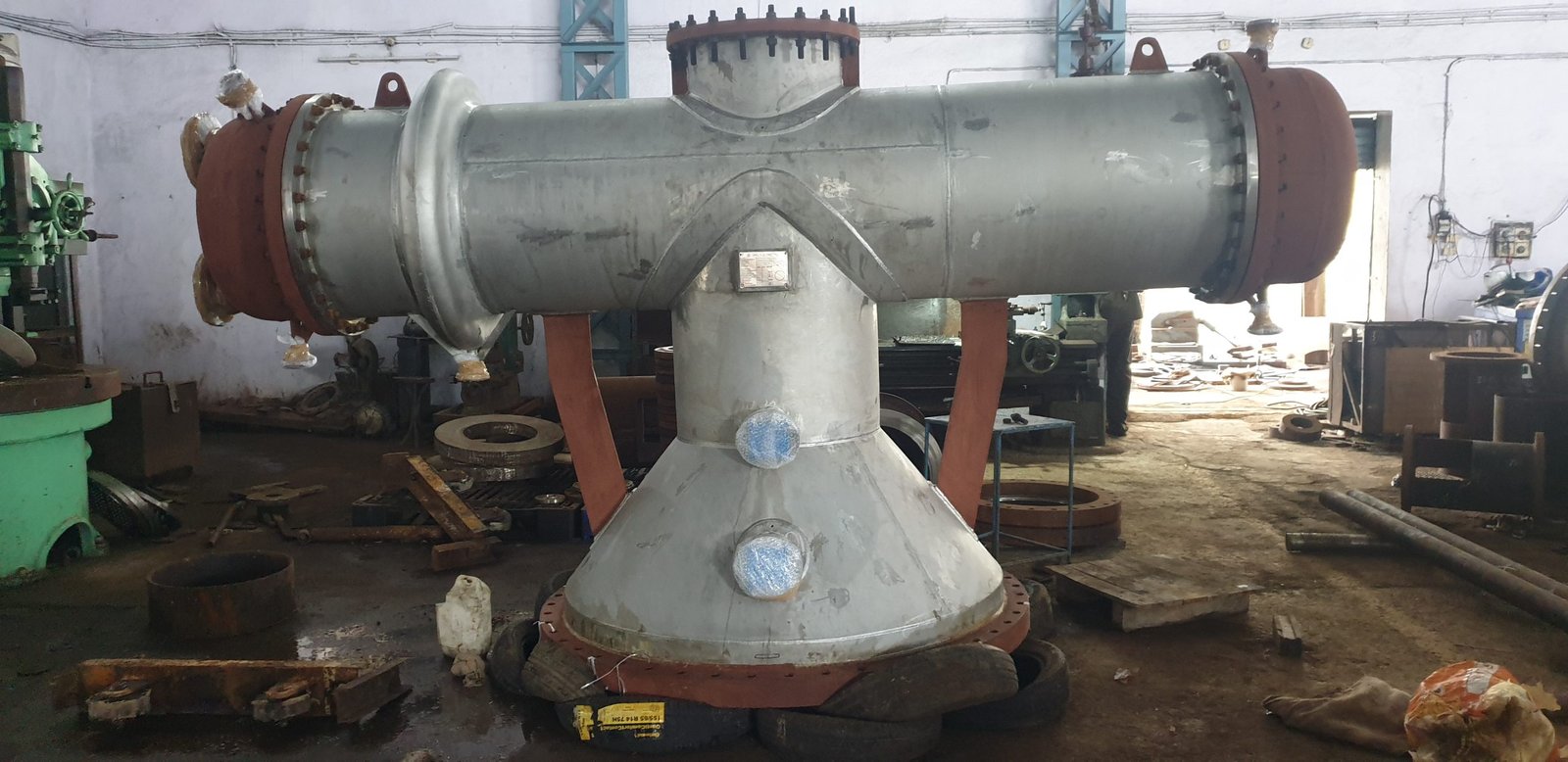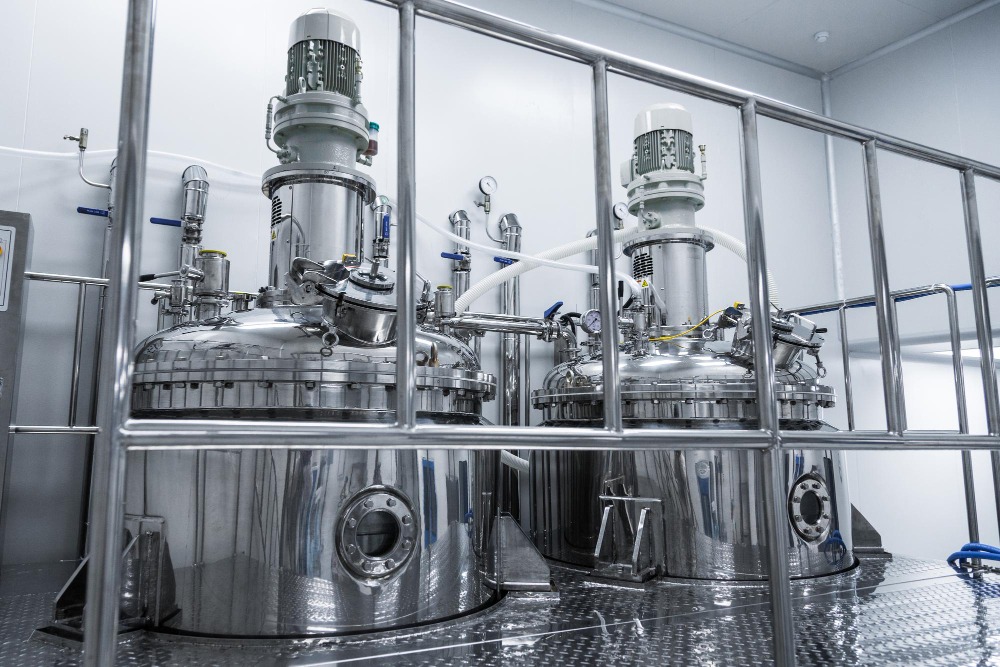


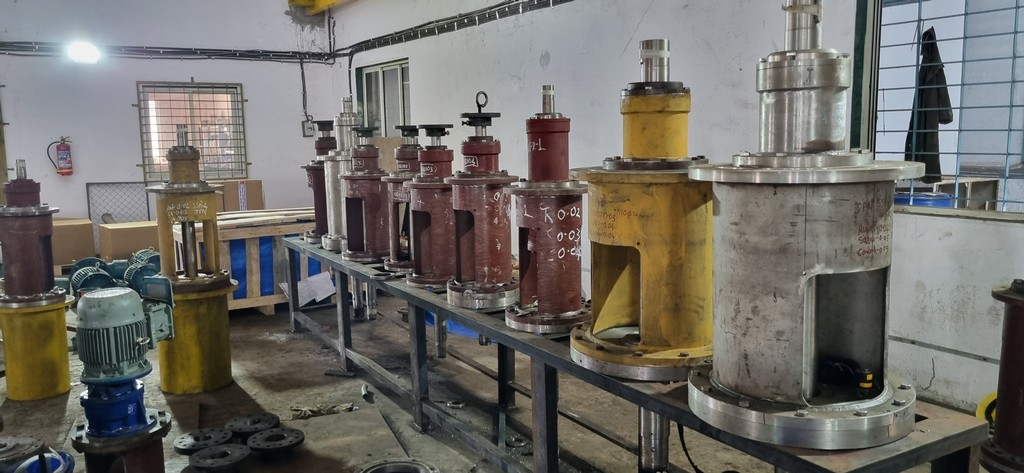
The specialty chemical industry relies heavily on precision, consistency, and flexibility in manufacturing processes. Unlike large-scale commodity chemical production, specialty chemicals often require complex reactions, varying formulations, and strict quality control standards. This makes the design of batch reactors a critical factor in ensuring operational efficiency and product quality. Partnering with an experienced industrial batch reactor manufacturer India can help businesses develop reactor systems tailored to their unique processing requirements.
Why Batch Reactors Are Essential for Specialty Chemicals
Batch reactors are widely used in specialty chemical manufacturing because they offer flexibility in handling multiple products and varying batch sizes. These reactors allow manufacturers to adjust reaction conditions such as temperature, pressure, mixing speed, and processing time to achieve desired product characteristics.
However, achieving consistent results requires careful attention to reactor design and engineering.
Key Batch Reactor Design Considerations
- Material of Construction
The choice of reactor material plays a crucial role in ensuring durability and product purity. Specialty chemical processes often involve corrosive substances, aggressive solvents, and high-temperature reactions.
Common materials include:
- Stainless Steel (SS 304, SS 316, SS 316L)
- Glass-Lined Steel
- Hastelloy and other specialty alloys
An experienced industrial batch reactor manufacturer India can recommend suitable materials based on the chemical compatibility and process requirements.
- Efficient Mixing and Agitation
Proper mixing is essential for maintaining uniform temperature distribution and consistent reaction rates throughout the vessel. The selection of agitator type depends on factors such as fluid viscosity, reaction kinetics, and solid suspension requirements.
Effective agitation helps:
- Improve heat transfer
- Prevent sedimentation
- Enhance reaction efficiency
- Ensure product consistency
- Temperature Control Systems
Many specialty chemical reactions are highly sensitive to temperature variations. Batch reactors should be equipped with efficient heating and cooling systems to maintain precise temperature control.
Common options include:
- Steam heating jackets
- Thermal oil systems
- Cooling water circulation
- Internal coils
Accurate temperature management improves safety and helps achieve desired product specifications.
- Pressure Handling Capabilities
Certain specialty chemical processes involve reactions under elevated pressure or vacuum conditions. Reactor vessels must be designed to withstand these operating parameters while maintaining structural integrity and process safety.
Proper pressure ratings, safety valves, and monitoring systems are essential components of a reliable reactor design.
- Cleaning and Maintenance Accessibility
Frequent product changeovers are common in specialty chemical manufacturing. Reactor designs should facilitate easy cleaning, inspection, and maintenance to reduce downtime and prevent cross-contamination.
Features such as smooth internal surfaces, clean-in-place (CIP) systems, and strategically positioned manways can significantly improve operational efficiency.
- Automation and Process Control
Modern batch reactors increasingly incorporate advanced automation systems for monitoring and controlling process variables. Automated controls help maintain consistency, reduce human error, and provide real-time process data for improved decision-making.
Conclusion
The performance of a specialty chemical production facility largely depends on the quality and design of its batch reactors. Factors such as material selection, mixing efficiency, temperature control, pressure resistance, maintenance accessibility, and automation capabilities all contribute to successful operations. By working with a trusted industrial batch reactor manufacturer India, businesses can obtain customized reactor solutions that enhance productivity, ensure product quality, and support long-term manufacturing growth.