

A pressure vessel may look as calm as can be but may be under huge pressure internally. Routine inspection is therefore worth serious consideration. For a plant manager, a good inspection checklist helps catch little warning signs before they become costly repairs, production stoppages or safety incidents.
Begin With the Vessel’s Identity
Check the vessel records before inspecting anything. Check its identification number, design pressure, operating pressure, temperature limits, details of material, manufacturing information and previous inspection reports. The nameplate should be clearly visible and correspond to the available documentation.
The inspection requirements for vessels under Indian regulations may vary depending on the vessel type, service and applicable rules. SMPV rules require periodic non-destructive examination and testing of pressure vessels. Safety relief valves have their own testing requirements.
Look Outside Before You Go Inside
Obvious problems tend to become expensive problems, so a good inspection begins with the obvious.
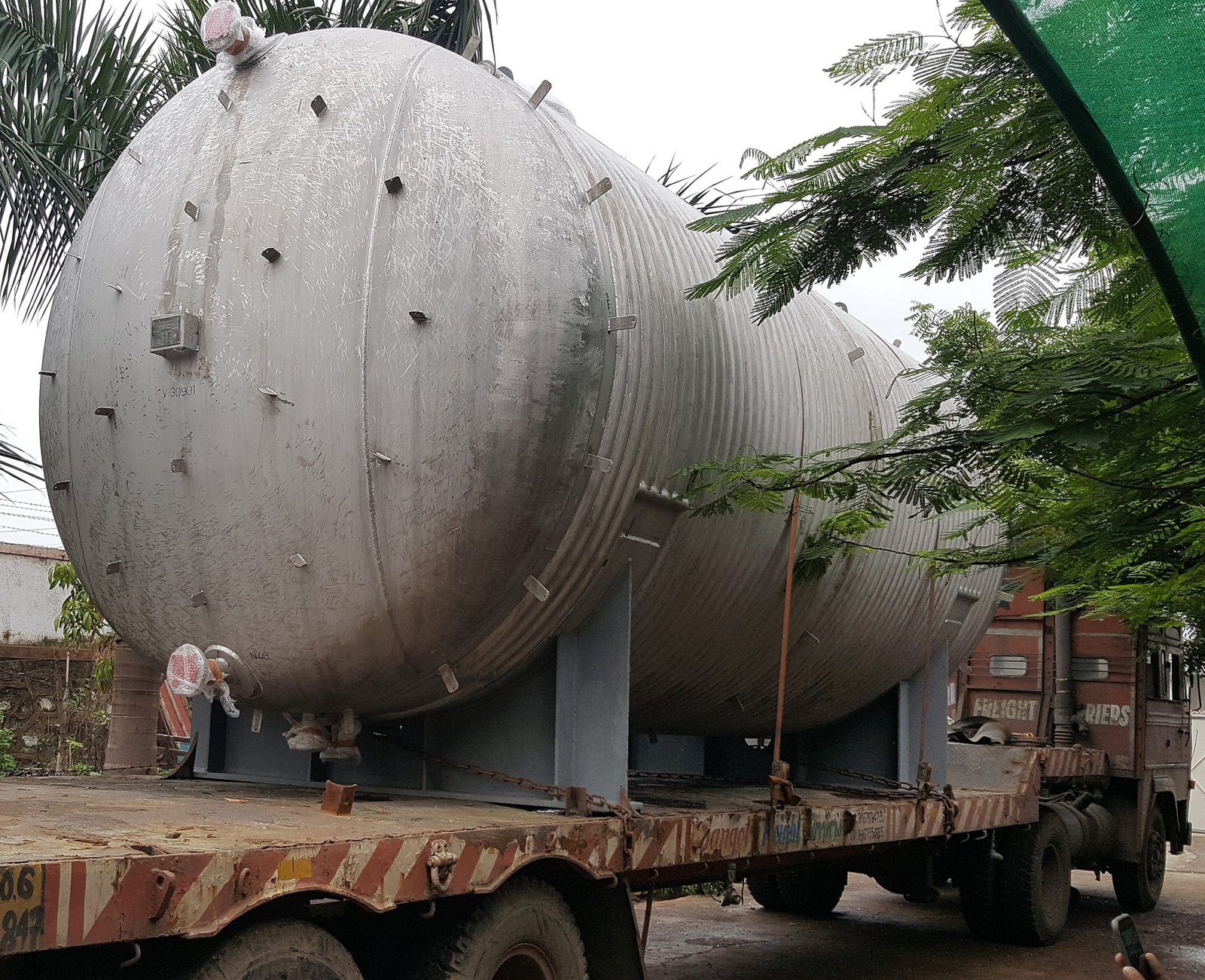
Check the shell, heads, weld joints, nozzles, supports and the foundation carefully. Look for corrosion, pitting, cracks, dents, distortion, leakage and damaged insulation. Be very careful in areas where moisture can collect.
Check the temperature and pressure gauges as well. They should be clearly visible, properly connected and within their calibration date. A gauge that has chosen to be ornamental is not much use to anybody.
Don’t Skip Thickness Tests
Looking is only one part of the story. Ultrasonic thickness gauges are able to detect loss of metal that is not visible from the outside. Conduct readings at specified inspection points. Record readings and compare with previous readings.
Engineers can use changes over time to determine corrosion rates and residual wall thickness. Inspection practices in API 510 also focus on inspection planning, thickness examination and consideration of credible damage mechanisms.
Safety Devices Also Need Attention
Relief valves, pressure gauges, valves, fittings and other protective devices should be checked per se. Make sure that the relief devices are adequate for service and that the records of inspection and testing are current.
Indian SMPV requirements require that safety relief valves be tested at least annually for applicable vessels.
Keep the Paperwork Inspection-Ready
An inspection is not complete when the results are lost in a forgotten file. Keep together the inspection reports, thickness readings, calibration certificates, repair records, test certificates, previous observations and corrective action records. Each defect must have a clear action, responsible person and completion status.
Choosing the Right Manufacturing Partner Is Crucial
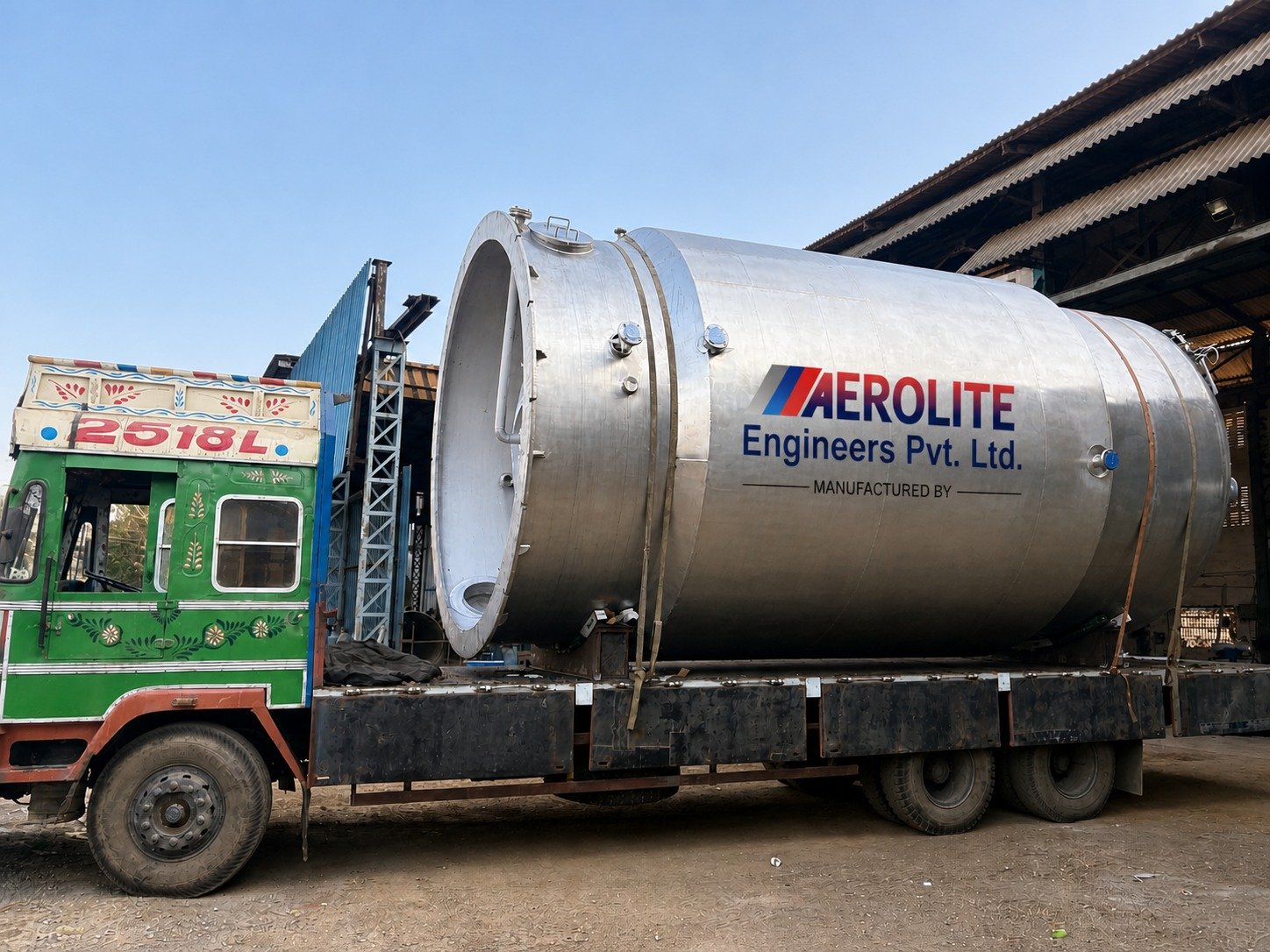
If the vessel has been properly designed and built from the beginning, then the inspection is easier. A trusted pressure vessel manufacturer in India can give supporting documentation and manufacturing records that support the long-term integrity of equipment.
Working with a custom pressure vessel manufacturer for specialised applications can also help to ensure that vessel design, materials, dimensions and operating requirements are properly matched to the plant’s process.
Give Your Vessel the Attention It Deserves
Seeking a custom pressure vessel manufacturer? Contact Aerolite Engineers today and talk to us about your pressure vessel requirements.