

A heat exchanger can be brilliantly designed, but if the tubes are made from the wrong material, trouble may be waiting inside the shell. Corrosion, leaks, poor heat transfer and frequent servicing can turn a useful piece of equipment into an expensive headache. This is exactly the reason why the choice of tube material should be considered carefully from the outset.
For industries dealing with demanding fluids and temperatures, the right choice of material can make a big difference to equipment life and operating costs.
Start With the Fluid, Not the Price Tag
The first question is always, ‘What is going to be flowing through the tubes?’
Water, steam, chemicals, acids, solvents and seawater can interact very differently with metals. For many industrial applications, stainless steel grades such as SS 304 and SS 316L are considered, whereas duplex stainless steel, titanium and nickel alloys may be suitable for harsher environments.
- Check the fluid for chemical composition, chloride content, pH and impurities.
- Finalise the material.
A less expensive material choice can save money in procurement, but a tube failure later can cost substantially more.
Temperature and Pressure Count Too
High temperature and pressure are common exposures for heat exchangers. The selected tube material must therefore possess sufficient mechanical strength and resistance to thermal stresses at the operating conditions.
Temperature changes can also result in expansion and contraction occurring again and again. If the material is not able to cope with these cycles properly, then fatigue and premature failure may occur. Pressure, temperature and the projected operating life must therefore be considered in conjunction and not separately.
Consider the Transfer of Heat
The tube material also has a direct impact on heat transfer. Thermal conductivity is important, but it is never to be considered in isolation from other properties.
For instance, copper alloys have good thermal conductivity and are used in many cooling and HVAC applications. Stainless steel provides an optimal combination of corrosion resistance, availability and resilience. In very aggressive environments, corrosion resistance may be more important than thermal conductivity.
There is hardly any magic material that does everything perfectly in engineering.
Consider Maintenance and Total Cost
The right tube material has to accommodate the complete operating cycle of the equipment. Fouling, cleaning methods, corrosion allowance, inspection requirements and replacement availability should all be considered.
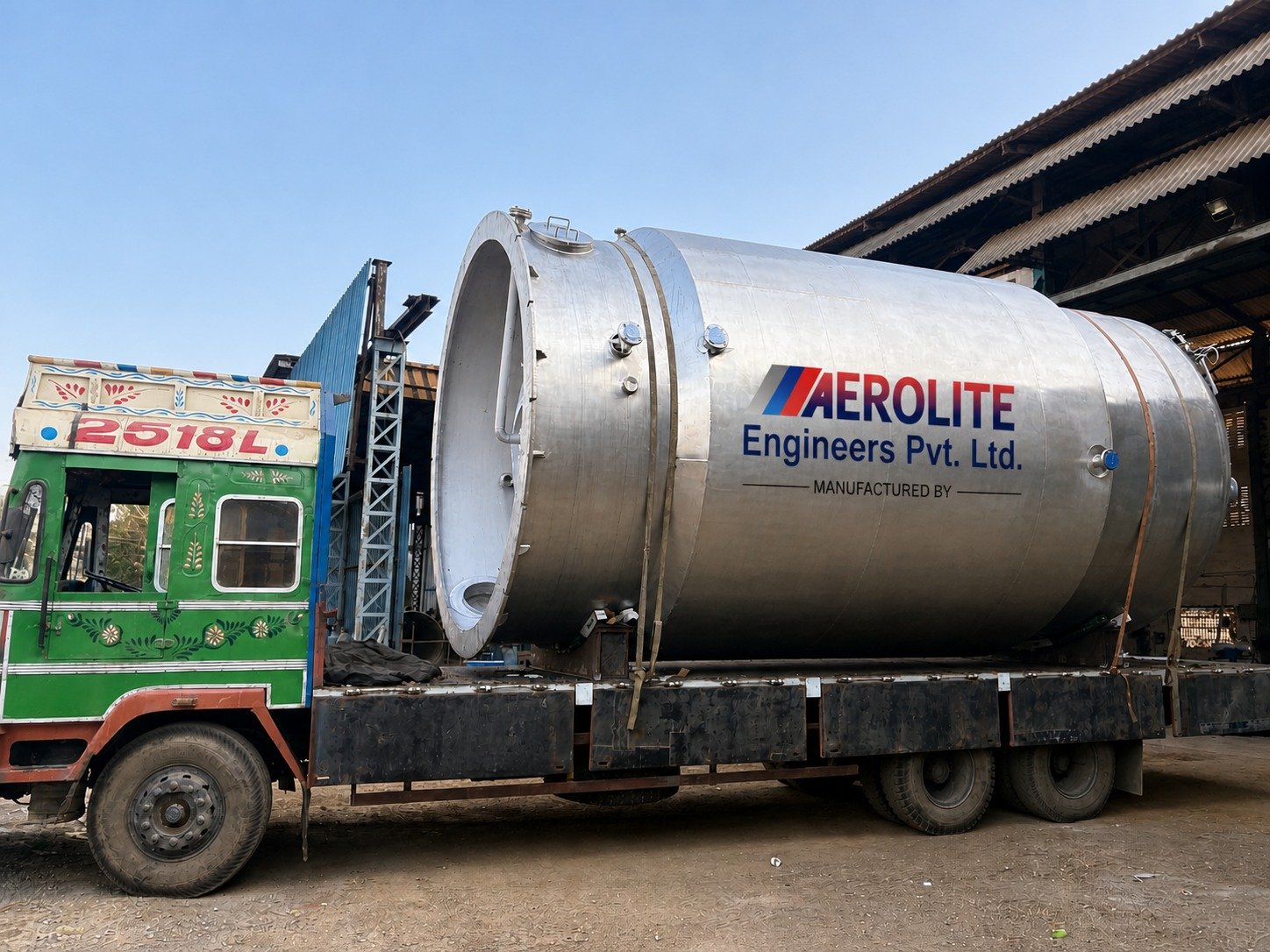
This is where experienced heat exchanger manufacturers in India can make a real difference. Depending on the application, Aerolite Engineers can select from stainless steels, duplex and super duplex grades, Hastelloy and Inconel. Their heat exchangers are designed as per project requirements and manufactured as per ASME and TEMA practices.
Select Engineering, Not Guesswork
There is no single “best” tube material. The correct choice depends upon the fluid, temperature, pressure, corrosion conditions, heat transfer requirements and anticipated service life.
Looking for a process heat exchanger? For reliable application-focused heat exchanger solutions engineered with expertise and careful material selection, contact Aerolite Engineers.